
The Concept of Luck in Gambling
The notion of luck in gambling has captivated players for generations. Many enthusiasts believe that luck is a significant factor influencing their success or failure in casinos. This belief is often linked to the unpredictable nature of games that rely heavily on chance, such as slot machines and roulette. Interestingly, some players have also turned to options like neosurf casino instant withdrawal to enhance their gaming experience, attributing their winnings to favorable luck, while losses are sometimes dismissed as mere bad fortune. This duality suggests that luck plays an essential role in the gambling experience, shaping players’ emotions and choices as they engage in these games.
However, it is vital to differentiate between luck and skill in gambling. In certain games, like poker, players can utilize strategies and make informed decisions that greatly impact outcomes. Conversely, games such as slots and lotteries are entirely random, meaning that luck is the sole determining factor in those cases. This misunderstanding can lead players to believe that luck can be controlled or manipulated, which is a fallacy. Acknowledging the inherent randomness of these games can alter a player’s approach to gambling and help set realistic expectations regarding outcomes.
The psychological impact of luck is profound and should not be overlooked. Players often feel a personal connection to their fortunes, celebrating wins and mourning losses as if they were fated events. This emotional attachment can lead to continued gambling in search of a lucky break, a phenomenon known as the “gambler’s fallacy.” This fallacy posits that past outcomes can somehow influence future results in random games. Recognizing this mindset is crucial for players who wish to maintain control over their gambling habits and understand that, in many cases, luck is simply a factor of chance.
The Role of Randomness in Casino Games
In the realm of casinos, randomness serves as the foundation for game mechanics, ensuring fairness and unpredictability. Most casino games utilize random number generators (RNGs) for online platforms or physical mechanisms like shuffling cards and spinning wheels in traditional venues. This randomness guarantees that every time a player spins a reel or rolls dice, the outcome is entirely independent of previous results. This design reinforces the understanding that luck primarily influences game outcomes, often leading players to rely on it excessively.
For example, when players engage with slot machines, they are often drawn to those that have recently paid out, under the impression that they are “due” for a win. However, due to the technology behind RNGs, each spin is disconnected from earlier spins, rendering this belief misguided. This misunderstanding of randomness can create a persistent cycle of play, with players chasing the elusive idea of luck without acknowledging the real odds. Grasping the fact that every outcome is a product of chance can help players temper their expectations and engage more responsibly.

Moreover, the randomness inherent in gambling is what infuses it with both excitement and risk. The unpredictability of outcomes creates a thrilling atmosphere for players, but it also carries potential dangers. Many enter the gambling world hoping for a winning streak, resulting in an emotional journey filled with significant highs and lows. This can lead to an exaggerated sense of control over luck, as players may mistakenly believe their actions can sway outcomes. Ultimately, understanding the role of randomness can foster healthier gaming behaviors and informed decision-making.
Psychological Factors Behind Perceived Luck
The belief in luck transcends mere superstition; it is deeply embedded in psychological principles. Many players engage in rituals or routines they consider lucky, such as wearing specific clothing or avoiding certain actions during gameplay. These behaviors stem from the innate human desire for control amidst uncertainty. In gambling, where results are often unpredictable, such rituals can offer a false sense of security and bolster confidence, even if they have no real impact on the outcome.
Cognitive biases also play a critical role in how players perceive luck. For instance, confirmation bias leads individuals to remember their wins while overlooking losses, creating a distorted sense of success. This selective memory reinforces the notion that luck is on their side, prompting continued gambling. Additionally, players may fall victim to the illusion of control, believing their strategies or timing can influence fortune, despite the randomness inherent in the games they play.
Social dynamics can further amplify these psychological perceptions of luck. When players share stories of wins and lucky strategies, they cultivate a communal belief in luck that can overshadow the importance of understanding probabilities and risks associated with gambling. Observing others win can evoke feelings of excitement, leading to increased participation. However, this collective mindset can sometimes distract players from recognizing the true nature of luck and the mathematical realities of gambling.
Strategies for Managing Expectations
Understanding the dynamics of luck in gambling is crucial for managing expectations and maintaining a healthy relationship with casino games. Rather than relying on luck alone, players can adopt strategies that promote responsible gaming. Establishing clear budgets, setting limits on time and money spent, and recognizing when to walk away are essential steps in creating a sustainable gambling experience. By prioritizing discipline over chance, players can cultivate a more enjoyable approach to gaming that focuses on entertainment rather than outcomes.
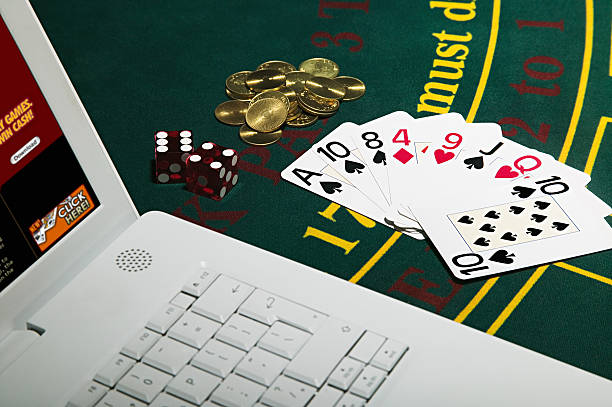
Additionally, educating oneself about the odds and house edge in various games can greatly enhance a player’s ability to make informed decisions. Understanding the expected return on investment for each game can help set realistic expectations regarding potential outcomes. For instance, games with a lower house edge, like blackjack or baccarat, generally offer better odds for players than those with a higher edge, such as specific slot machines. This knowledge empowers players to choose games that align with their risk tolerance and gambling goals.
Moreover, players should consider adopting a mindset that emphasizes the entertainment value of gambling instead of fixating solely on winning. Viewing gambling as a recreational activity can help alleviate the emotional highs and lows that often accompany the pursuit of luck. By shifting focus from luck to enjoyment, players can reduce stress and foster a healthier engagement with casino games, ultimately leading to a more fulfilling experience.
Conclusion: The Importance of Informed Choices
The relationship between luck and gambling is complex and multifaceted, making it essential for players to approach their gaming endeavors with a clear understanding of the underlying factors at play. While chance undeniably influences outcomes, becoming informed about randomness, probabilities, and psychological influences can significantly enhance the gambling experience. By adopting a well-rounded approach to gaming, individuals can navigate the unpredictable landscape of casinos more effectively.
Recognizing the distinction between luck and skill can empower players to make wiser choices. Whether players choose to embrace the randomness of games or engage in skill-based strategies, the key lies in understanding how these elements shape outcomes. By managing expectations and establishing responsible gambling practices, players can enjoy the thrill of the game while minimizing risks associated with an unchecked belief in luck.
Ultimately, casinos and gaming platforms provide avenues for entertainment, but it is the responsibility of players to engage with them thoughtfully. Armed with knowledge and a clear perspective on luck, players can craft a satisfying and enjoyable gambling experience that emphasizes fun over fallacy, ensuring a more responsible interaction with the world of gambling.